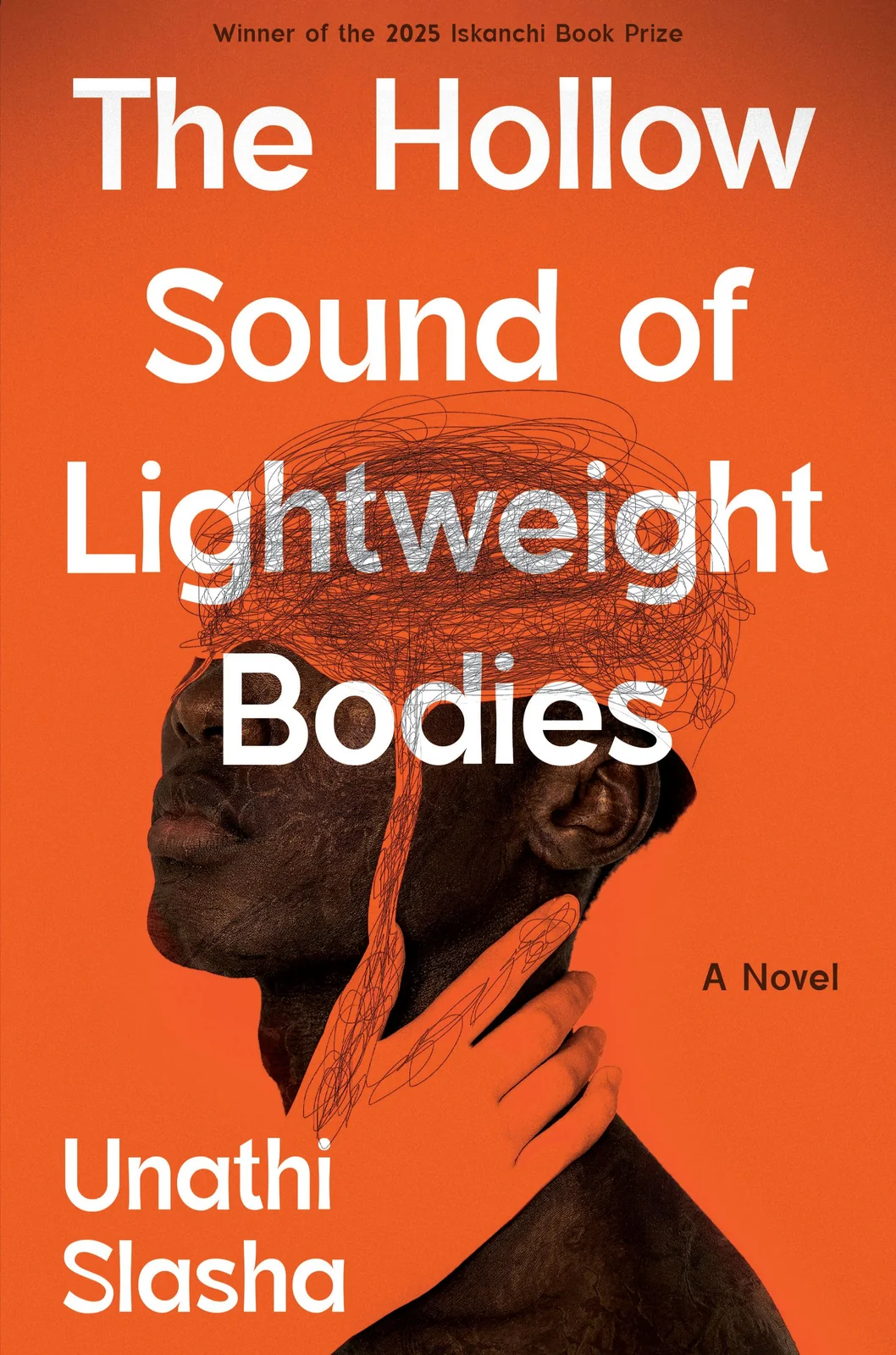
The Hollow Sound of Lightweight Bodies
available
About the book
A darkly comic, surreal novel set in a South African township, where a young crematorium worker and obituarist moves through family betrayal, rumor, grief, myth, and the unclaimed dead.
In a South African township, a young crematorium worker writes unauthorized obituaries for the unclaimed dead while navigating family betrayal, rumor, violence, and a world where myth and everyday life refuse to stay separate. The Hollow Sound of Lightweight Bodies is a darkly comic, formally restless novel about memory, mortality, and the stories that survive those society would rather forget.
Book details
Contributors
Author in focus
Praise & recognition
Related reading
Chosen by contributor, series, and subject — not an automated “others also bought” list.


For educators, book clubs, libraries and institutions
Considering this title for a course, a reading group, a library collection or a bulk order? Tell us what you have in mind and we will follow up.
Not buying today? Join the Iska Press list for new books and news, no more than twice a month.