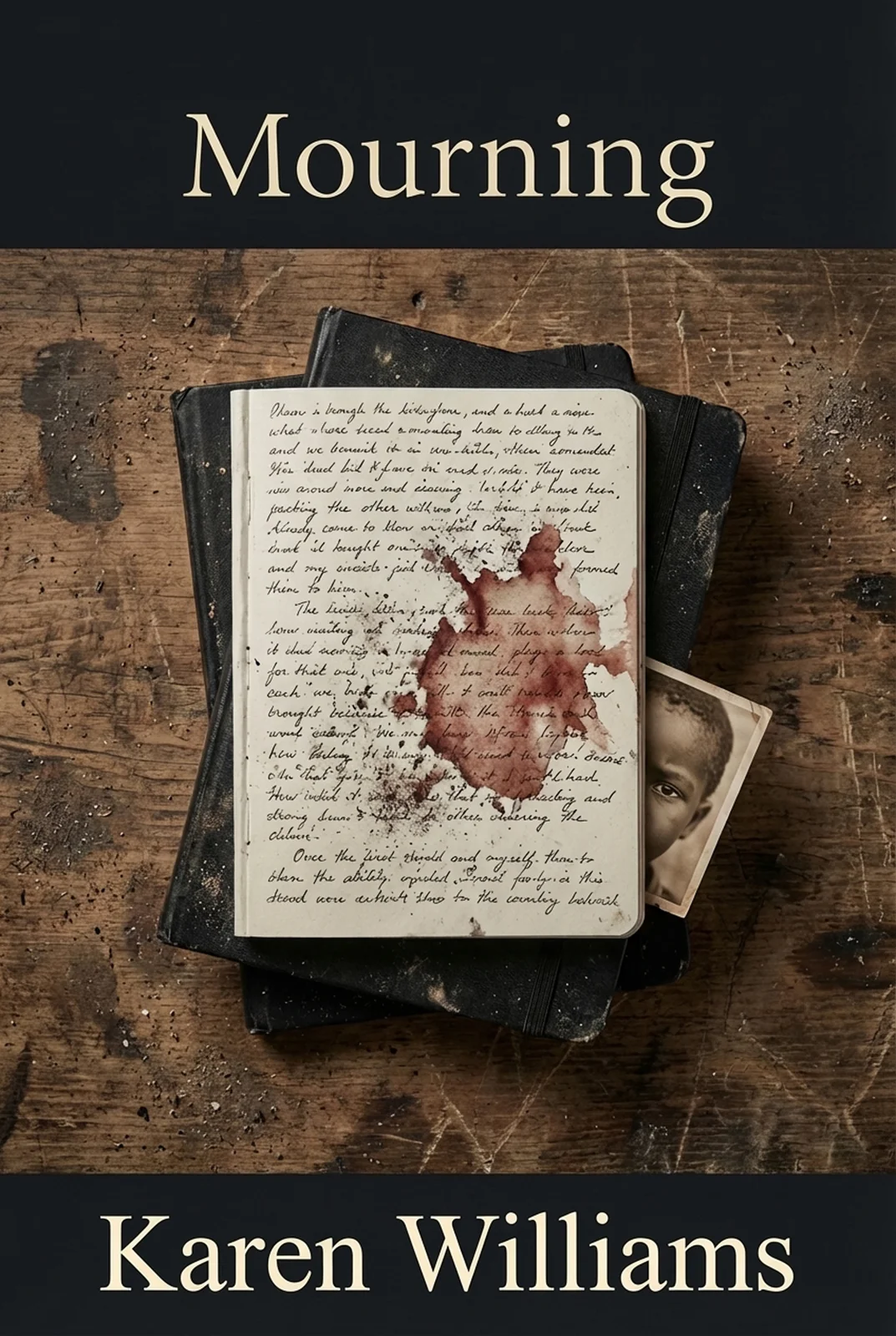
Mourning
available
Get the book
Look inside
×Chapter One
Pharaonic Egypt still carries its ancient desolation. At first glance, the flare of the limestone and sand gives the illusion of a wind-plane swept clean. But it is not cleanliness or loose desert sand that you are looking at; it is the old desolation; the ingrained mournfulness of the pyramids; the final long desolation of death.
Mornings start with sunlight struggling through the fog and haze that permanently blanket the city. It is the call from the muezzin towers that tells you it is almost daylight. The calls echo through the high-rises, calling forth to followers and the other muezzins also calling out across the city. The day begins: for some, a hustle and bustle underscored by a religious thankfulness for waking up; for others, a sudden atheist’s hunger for God.
Daniel came to it as a place of refuge. Millions deep and thick with opinion and progress, Egypt was an ocean away from the sniper attacks and the centuries of well-tended hurts and grievances of Sarajevo. He wanted to show his bride that here they could leave history behind. It was a city where you could begin. But for Daniel, that consolation never came.
They came to make a life here. Daniel, war-wearied and war-battered, had brought Marie to see that behind the corpses that still spoke to him at night, the sniper fire picking off old women in water queues, the amputee who leaves his artificial leg behind as he flees, yet again, desperately trying to get away as the shelling and sniper fire echo across Sarajevo, this city could be a start.
In the early days, it was the contrasting quiet of Zamalek that attracted him to this part of Cairo, even though they were already living in the suburb. The winding roads past the old, elegant apartments; the wide avenues with their rows of embassies and official buildings; and then finally the cafés and eating houses tucked into corners and under verandas where Cairo’s young and wealthy spent their afternoons and evenings. He had learned his way around Zamalek by knowing the streets that ran off the Nile. And in those early days, he would drive with a map in his head that, somehow, somewhere, connected everything to this one strip that flowed down the river. That was his favorite stretch of road in this permanently traffic-choked city. That, and the new highway that ran out to where Cairo was expanding, past the concrete blocks of flats, the traffic flowing in and out of the city—jam-packed even at night—and the sign saying “Giza” that always made him smile whenever he saw it. Cairo with its hustle and bustle and never-ending stream of people and traffic and smoke and unadorned high-rises, was unimaginable from the ancient life of the city you came to as you headed toward the pyramids. This Cairo was the flip side of the early Egyptian cult of the dead with its pyramids and above-ground burial grounds. It’s almost as if this modern Cairo of bazaars and fashion and robust, jostling opinions sprang up with the sole aim of trampling down that earlier City of the Dead. With its youth, jostle and energy, it felt as if it were laughing in the face of its pharaohs, as if an entire civilization had sprung up to celebrate death and mourning, right here alongside the lifeblood of the Nile.
End of sample. From Mourning.
Bulk, trade & institutional orders
About the book
Literary historical fiction set in post-war Freetown, where a widow fleeing violence must navigate grief, memory, and the fragile possibility of healing among survivors carrying losses of their own.
A literary novel of grief, war, and survival moving through Cairo, Sarajevo, and post-war Sierra Leone. After her journalist husband is murdered, Marie travels to Freetown and encounters a city—and a community—living with the aftermath of violence. Karen Williams brings the perspective of a journalist who has worked in conflict zones to an intimate examination of memory, complicity, and what it means to survive.
Book details
Contributors
Author in focus
Praise & recognition
Related reading
Chosen by contributor, series, and subject — not an automated “others also bought” list.
For educators, book clubs, libraries and institutions
Considering this title for a course, a reading group, a library collection or a bulk order? Tell us what you have in mind and we will follow up.
Not buying today? Join the Iska Press list for new books and news, no more than twice a month.